March 03, 2026: International Women’s Day invites us to celebrate women’s leadership and resilience; Rotary’s Water, Sanitation, and Hygiene Month challenges us to look at the systems that shape daily life. In many parts of the world, access to safe water determines whether girls attend school consistently, whether families remain healthy, and whether women spend hours each day carrying water instead of building opportunity. For the Rotary Club of West Ottawa, one long-standing answer to that challenge is found in the work of our member, Beatrice Osome, and the project many of us know simply as Bea’s Wells.
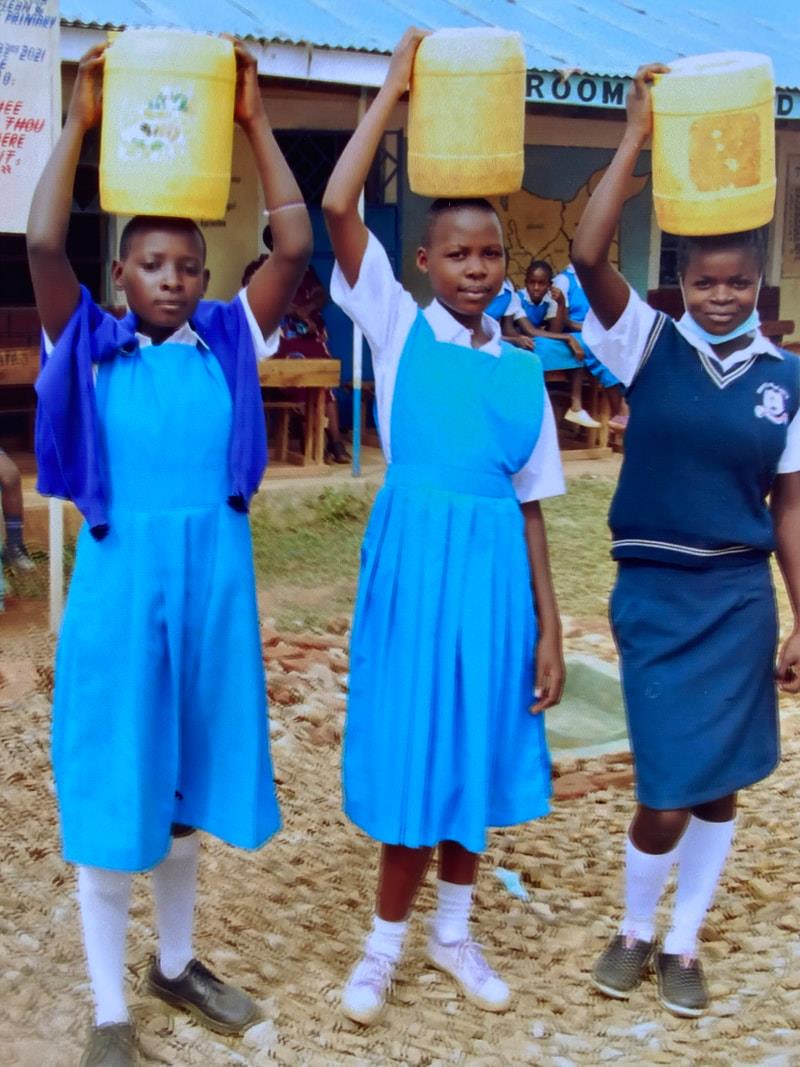
In rural communities in Western Kenya, the search for clean water has traditionally required time, strength, and endurance. It is work that falls most heavily on women and girls. When water sources are distant or unsafe, the consequences ripple outward: illness increases, school attendance drops, and opportunity narrows.
WASH is not a secondary issue. It is foundational. Clean water, proper sanitation, and hygiene education influence health, education, and economic development all at once.
Beatrice Osome, a retired nurse and long-time Rotarian, began supporting clean water initiatives in Kenya nearly two decades ago. What started as a commitment to one community grew into a sustained effort to bring reliable water access directly to school grounds, where it could serve both students and surrounding families.
The genesis of this mission was deeply personal. Bea has shared that her daughter Bernice, during visits with her grandparents in Kenya, witnessed firsthand the arduous two-kilometre walk for water. The journey often led to unsafe sources, and the resulting waterborne illnesses were common. Seeing that reality through a child’s eyes made the need impossible to ignore. What began as concern became conviction, and conviction became action.
Over the years, wells have been constructed at multiple primary schools in Western Kenya, including projects in the Luanda area, at Madzou Primary School, and most recently at Emutsuru Primary School. On May 14, 2025, the 25th well was officially opened at Emutsuru, marking a significant milestone in a project that has steadily transformed access to safe water for thousands of children and families.
Each installation has followed a thoughtful model:
- Local consultation and leadership
- Community labour and involvement
- School-based placement for maximum impact
- Maintenance planning to ensure long-term function
- Hygiene education to reinforce health outcomes
This is infrastructure built for sustainability. Wells are not simply installed; they are supported by community ownership and responsibility so that the impact lasts beyond the initial investment.
Water alone, however, is not enough.
Clean water has given life to many children and enabled children to study and get education for better jobs. Thanks to all who supported the project as we honoured our daughter, Charity Osome.
Bea Osome
Sanitation and hygiene facilities are equally critical, particularly for girls. Additional projects in Vihiga County have included improvements to school sanitation infrastructure, ensuring that students have safe, private facilities. Privacy and dignity matter. Reliable sanitation keeps girls in school longer and reduces preventable illness. When schools provide water and sanitation together, attendance improves and health outcomes strengthen.
International Women’s Day reminds us that leadership often begins with seeing a problem clearly and refusing to look away. Water scarcity steals time from women and girls. Poor sanitation undermines health and confidence. Preventable illness limits potential.
Bea’s Wells demonstrate what happens when leadership meets action. They reflect Rotary’s commitment to Water, Sanitation, and Hygiene as one of our Areas of Focus and show how one member’s initiative, supported by a club community, can transform daily life thousands of kilometres away.
In recognition of her sustained leadership and impact, Bea has been honoured as a Paul Harris Fellow, one of Rotary’s highest distinctions for service. The recognition reflects not only the number of wells completed, but the lives changed through safe water access, improved health, and stronger school attendance.
Clean water supports maternal and child health.
Clean water strengthens education.
Clean water enables economic participation.
Clean water builds stability.
This March, as we mark both International Women’s Day and Rotary’s WASH Month, we recognize that real empowerment is built on foundations that are sometimes invisible but always essential. Safe water. Proper sanitation. Hygiene education.
These are not abstract goals. They are wells in the ground, water in a child’s hands, and time returned to girls who can now remain in school.
And that is Service Above Self in its most practical form.