Dictionary4Life Project Becomes Reality
West Ottawa Rotarians presented over 200 high quality illustrated dictionaries at Carleton Heights Public School, Pinecrest Public School and Agincourt Public School.
The purpose of this project is to provide a gift of a Dictionary 4 Life to grade 3 - 6 youth in the six West Ottawa schools that participate in the RCWO 4-Way test program and to youth involved in the Winthrop Court homework club in which RCWO assists. Last year the club took this project on as a pilot project to work out the "glitches" should there be any.
Our goal is to help develop the youths' vocabulary and better language understanding, help children develop stronger self esteem, encourage familiarity with books, give "pride of ownership", and promote Rotary values to the child, family, and the community.
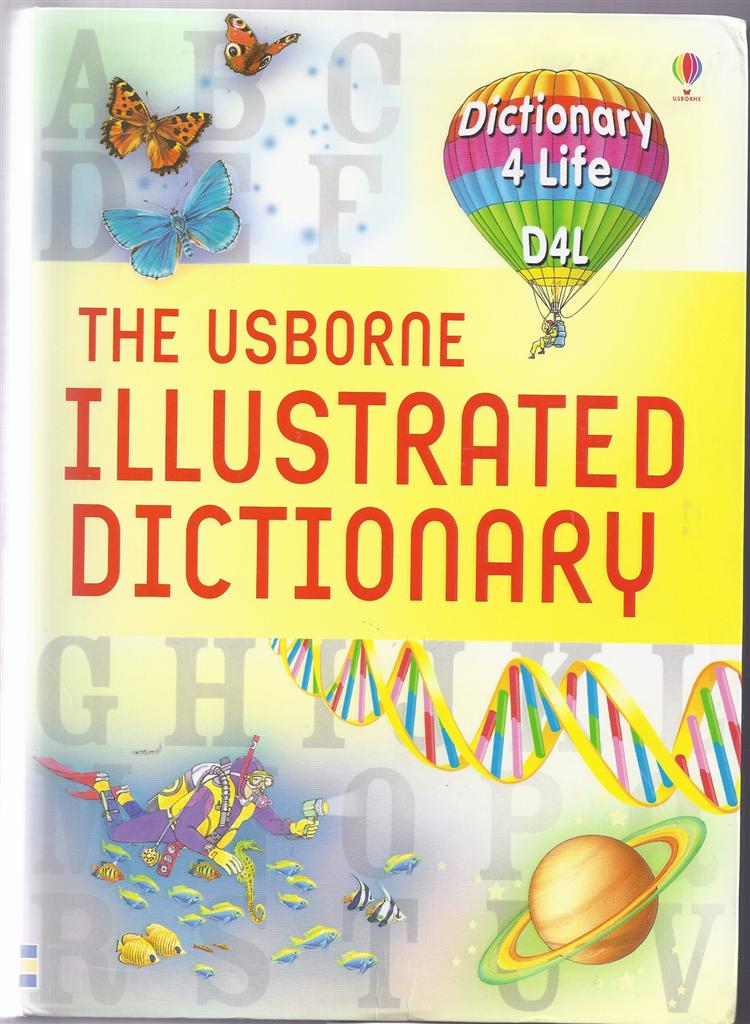
The dictionary is very unique and will be a new approach by our club to help with literacy locally. It will also be an opportunity for schools and the homework club to further interface with a community service organization, Rotary.
Literacy is an issue that touches almost every aspect of people's lives. It is key to personal development and economic opportunity, and a major factor in the ability to participate as full and active citizens of society. Literacy skills are critical indicators of the preparedness of young Canadians for the workplace and further education. They give young people the capacity for innovative thinking and the adaptability required in today’s knowledge-based economy. People with high levels of literacy are also more likely to be engaged in society, which benefits them and the communities they live in (Cdn. Council on Literacy, CLI).
From the International Adult Literacy Survey (Stats Can, OECD) we learned that literacy development: is strongly influenced in early years by a child's education; leads to healthier habits and lifestyles; is linked to economic success; and, contributes to society's overall economic and social performance.
One of the most positive aspects of being able to use a dictionary is that it helps to develop autonomy and confidence in the learner – one of the core goals of education. It promotes books and the printed word. By using dictionaries efficiently children explore spellings, meanings and derivations, for example, by using alphabetical order, abbreviations and definitions with understanding. It will enable both first and second language users to extend and improve the accuracy of their vocabulary. It should help children with their homework in secondary education. In some homes it may be a reference work for all the family. It will be a valued “possession” for the child. Assuming each youth takes home the dictionary and there are 2 -3 others in the home
then mothers, fathers and siblings would indirectly benefit.
The Usborne Illustrated Dictionary 4 Life comprises 1,000 illustrations, 10,000 entries and 20,000 definitiions printed in full colour from a sustainable forest with 288 pages. Dimensions 170mmx240mm – with a robust hardwearing glued and stitched binding and a plasticized flapjacket cover. Weight 1.1 kg. It has a user’s guide, parts of speech, writing English hints, English today and a history of our language and recommended web sites. It includes the vocabulary of the internet age.The D4L has a space for the recipients’s name on the inside cover in the Rotary information panel. It is a highly visible product. A D4L bookmark has been developed during the pilot project and features the logos of all our sponsors, ideas for using the Dictionary and the club name and contact information.
It is a very exciting project. We hope to make connections to the community with the youth, parents and teachers to enhance their awareness of Rotary International and its support of literacy both locally and internationally.